Alfred North Whitehead on Religion
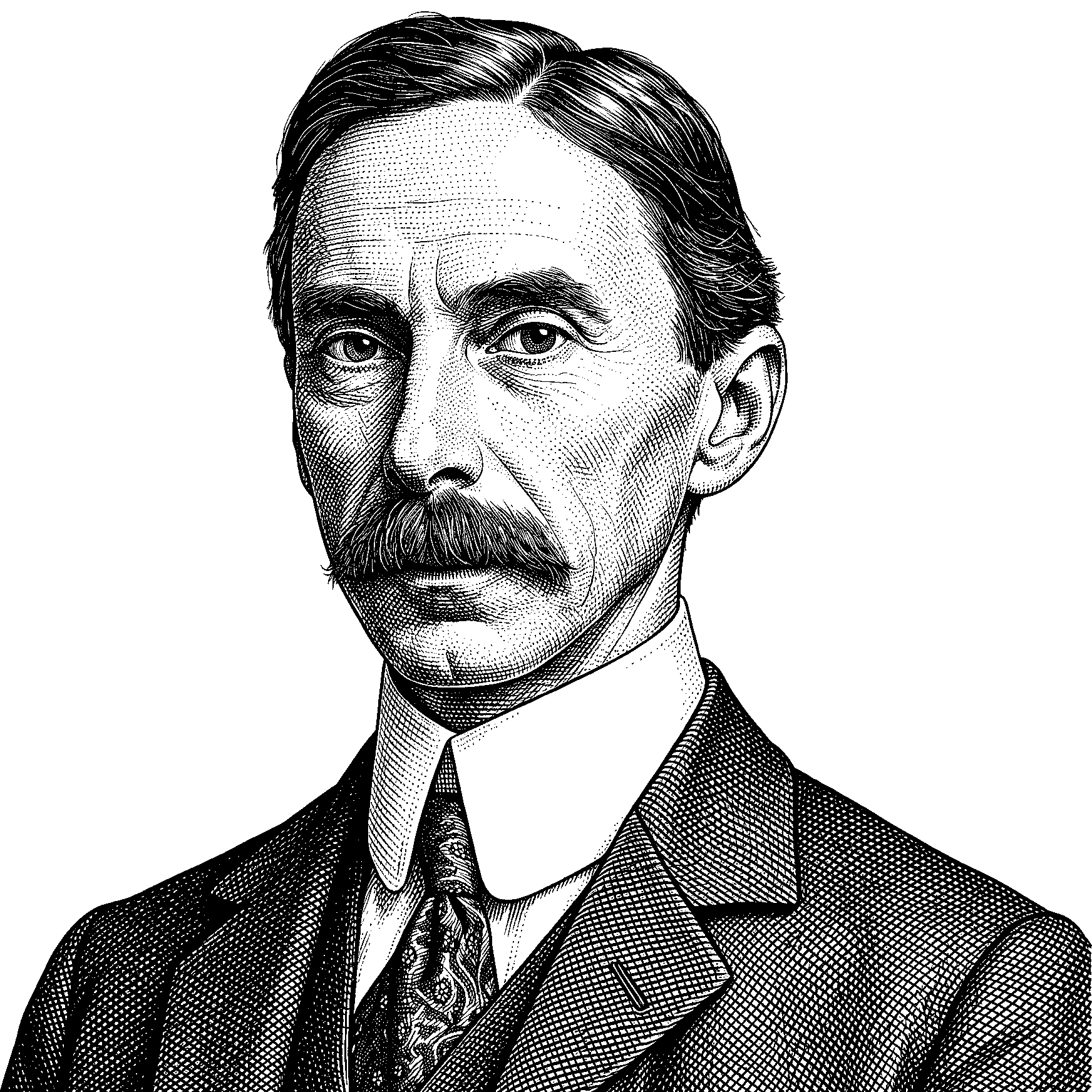
Alfred North Whitehead

Alfred North Whitehead

The power of God is the worship He inspires. That religion is strong which in its ritual and its modes of thought evokes an apprehension of the commanding vision. The worship of God is not a rule of safety⁠—it is an adventure of the spirit, a flight after the unattainable. The death of religion comes with the repression of the high hope of adventure.

Alfred North Whitehead, “Religion and Science (chapter XII),” Science and the Modern World: Lowell Lectures, 1925, page 268–269, Alfred North Whitehead, New York: The Macmillan Company, 1925
Related Quotes

Carver MeadCarver Mead

Moore’s Law is really a thing about human activity, it’s about vision, it’s about what you’re allowed to believe. Because people are really limited by their beliefs, they limit themselves by what they allow themselves to believe about what is possible.

Eliza R. SnowEliza R. Snow

I had learned to call thee Father, Thru thy Spirit from on high, But, until the key of knowledge Was restored, I knew not why. In the heav’ns are parents single? No, the thought makes reason stare! Truth is reason; truth eternal Tells me I’ve a mother there.

William JamesWilliam James

The capacity of the strenuous mood lies so deep down among our natural human possibilities that even if there were no metaphysical or traditional grounds for believing in a God, men would postulate one simply as a pretext for living hard, and getting out of the game of existence its keenest possibilities of zest. Our attitude towards concrete evils is entirely different in a world where we believe there are none but finite demanders, from what it is in one where we joyously face tragedy for an infinite demanders’ sake. Every sort of energy and endurance, of courage and capacity for handling life’s evils, is set free in those who have religious faith. For this reason the strenuous type of character will on the battle-field of human history always outwear the easy-going type, and religion will drive irreligion to the wall.

More from Alfred North Whitehead