Brigham Young on Harmonization
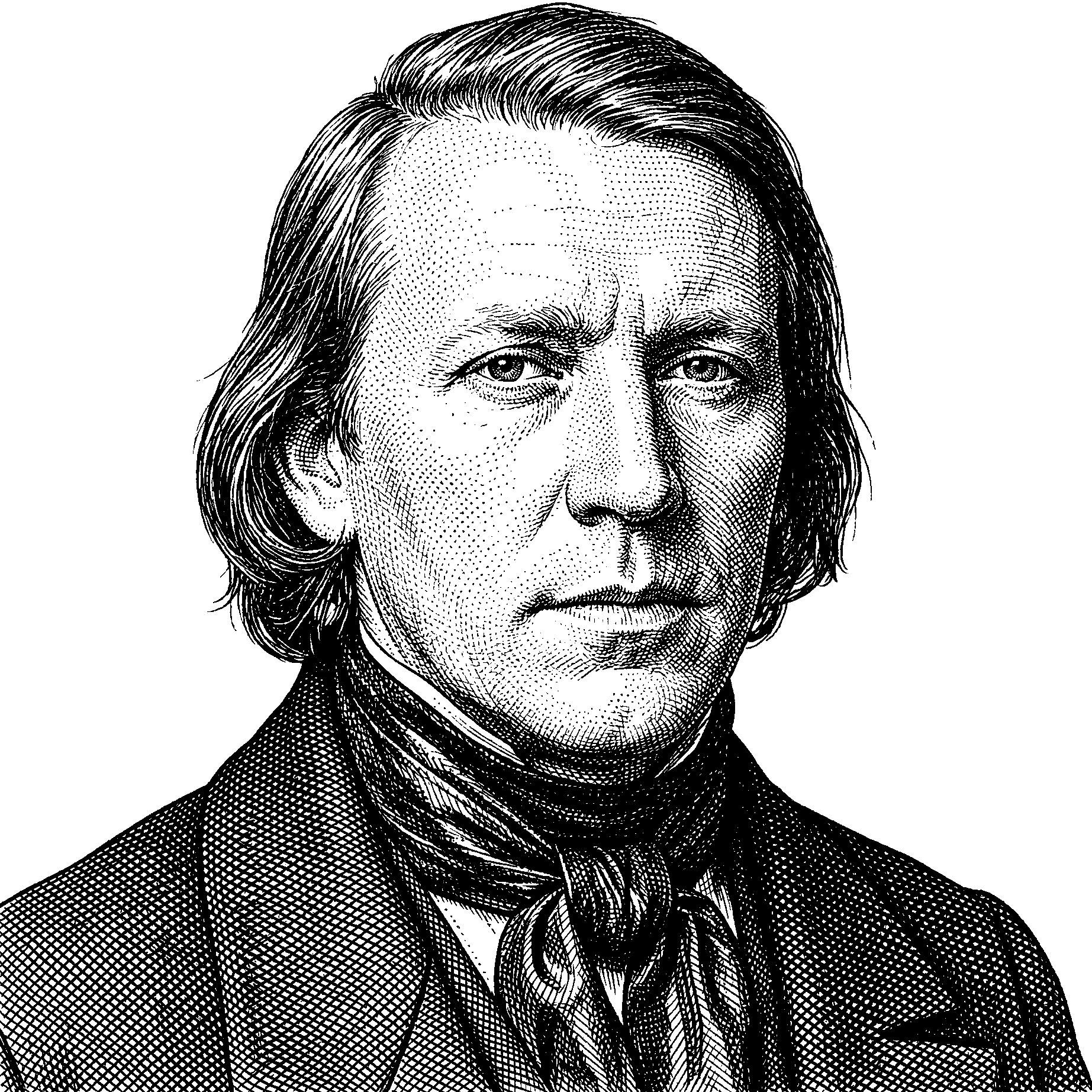
Brigham Young

Brigham Young

Our religion embraces chemistry; it embraces all the knowledge of the geologist, and then it goes a little further than their systems of argument, for the Lord Almighty, its author, is the greatest chemist there is. Will any of the chemists tell us what the Lord did with the elements in Wisconsin, and in Chicago, Illinois, last Fall? They made a flaming fire of the heavens, the elements were melted with fervent heat. This was a chemical process, but can any of our chemists tell how it was brought about? I think not. But there were certain elements which lost their cohesive properties, and a change occurred, and the result was this terrible fire. So it will be when, as the Scriptures foretell, “the elements shall melt with fervent heat.” The Lord Almighty will send forth his angels, who are well instructed in chemistry, and they will separate the elements and make new combinations thereof, and the whole heavens will be a sheet of fire. Well, our religion embraces this; and we know of no laws, no ordinances, no gifts, no principles, no arts, no sciences that are true, but what are embraced in the religion of Jesus Christ, in this Priesthood, which is a perfect system of government.
Journal of Discourses, vol 15, page 127, Liverpool, England: Latter-day Saints’ Book Depot, 1873

Related Quotes

B. H. RobertsB. H. Roberts

Mental Laziness is the vice of men, especially with reference to divine things. Men seem to think that because inspiration and revelation are factors in connection with the things of God, therefore the pain and stress of mental effort are not required; that by some means these elements act somewhat as Elijah’s ravens and feed us without effort on our part.

Joseph SmithJoseph Smith

How vain and trifling have been our spirits, our conferences, our councils, our meetings, our private as well as public conversations—too low, too mean, too vulgar, too condescending for the dignified characters of the called and chosen of God.

Joseph SmithJoseph Smith

The things of God are of deep import. ... Thy mind, ... if thou wilt lead a soul unto salvation, must stretch as high as the utmost heavens, and search into and contemplate the darkest abyss, and the broad expanse of eternity.

More from Brigham Young

Yet I will say with regard to miracles, there is no such thing save to the ignorant—that is, there never was a result wrought out by God or by any of His creatures without there being a cause for it. There may be results, the causes of which we do not see or understand, and what we call miracles are no more than this—they are the results or effects of causes hidden from our understandings.

These are the mysteries of the Kingdom of God upon the earth, to know how to purify and sanctify our affections, the earth upon which we stand, the air we breathe, the water we drink, the houses in which we dwell and the cities which we build, that when strangers come into our country they may feel a hallowed influence and acknowledge a power to which they are strangers.

The origin of life whether human or inferior, must be lodged in some character whom I have not seen! Follow it back, no matter whether it be for six thousand years, six millions, six million millions, or billions of years, the figures and numbers are immaterial, I must have come from some source, my natural philosophy teaches me this. But, leaving the natural philosophy of the child free from false tradition, let us inquire.

Now about the rib: as for the Lord taking a rib out of Adam’s side to make a woman of, he took one out of my side just as much. “But, Brother Brigham, would you make it appear that Moses did not tell the truth?” No, not a particle more than I would that your mother did not tell the truth when she told you that little Billy came from a hollow toadstool. I would not accuse your mother of lying any more than I would Moses.

Many have tried to penetrate to the First Cause of all things; but it would be as easy for an ant to number the grains of sand on the earth. It is not for man, with his limited intelligence, to grasp eternity in his comprehension. There is an eternity of life, from which we were composed by the wisdom and skill of superior Beings.