A Cosmic Atonement

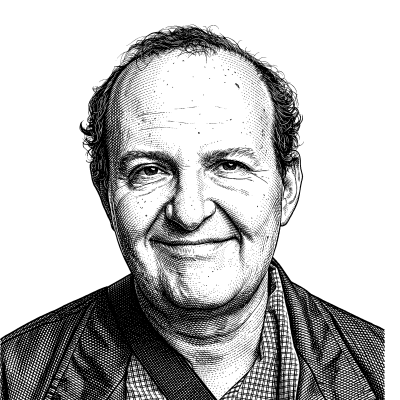
Caleb Jones is a speaker and thinker deeply engaged with the intersection of Mormon theology, transhumanism, and intergenerational connection. His work focuses on the spirit of Elijah, as referenced in Malachi, and its implications for creating faith-based connections across generations, both living and deceased. He advocates for a broader interpretation of this principle, extending it beyond traditional temple work to encompass a reconciliation of ancient wisdom with modernity. ¶ Jones draws upon G.K. Chesterton’s concept of the “democracy of the dead” to frame his exploration of tradition and remembrance. He posits that our ancestors, through their artifacts and influence, continue to participate in the present. He sees the redemption of the dead through these artifacts—books, music, laws, traditions—as a collective human endeavor involving various disciplines such as literary scholarship, archaeology, and religious studies. ¶ His perspective emphasizes the importance of engaging with the past to inform and enrich the future, particularly within the context of Mormonism and its emphasis on family history and genealogical work. Jones champions seeking a healthy balance and ongoing reconciliation of the hearts and minds of the dead and dying with the hearts and minds of the living, to redeem rising generations.
In my previous post I wrote about how the infinite diversity and independence of Mind could be considered one of the most valuable things in the universe. Something which can help us address the rhetorical question posed in Psalms:
Atonement becomes cosmic when every wounded thing is gathered into repair.
“What is man, that thou art mindful of him? and the son of man, that thou visitest him?”
If God could consider Mind to be of great, even prime, importance then another question to consider is: what threats does Mind face and how might God address these threats?