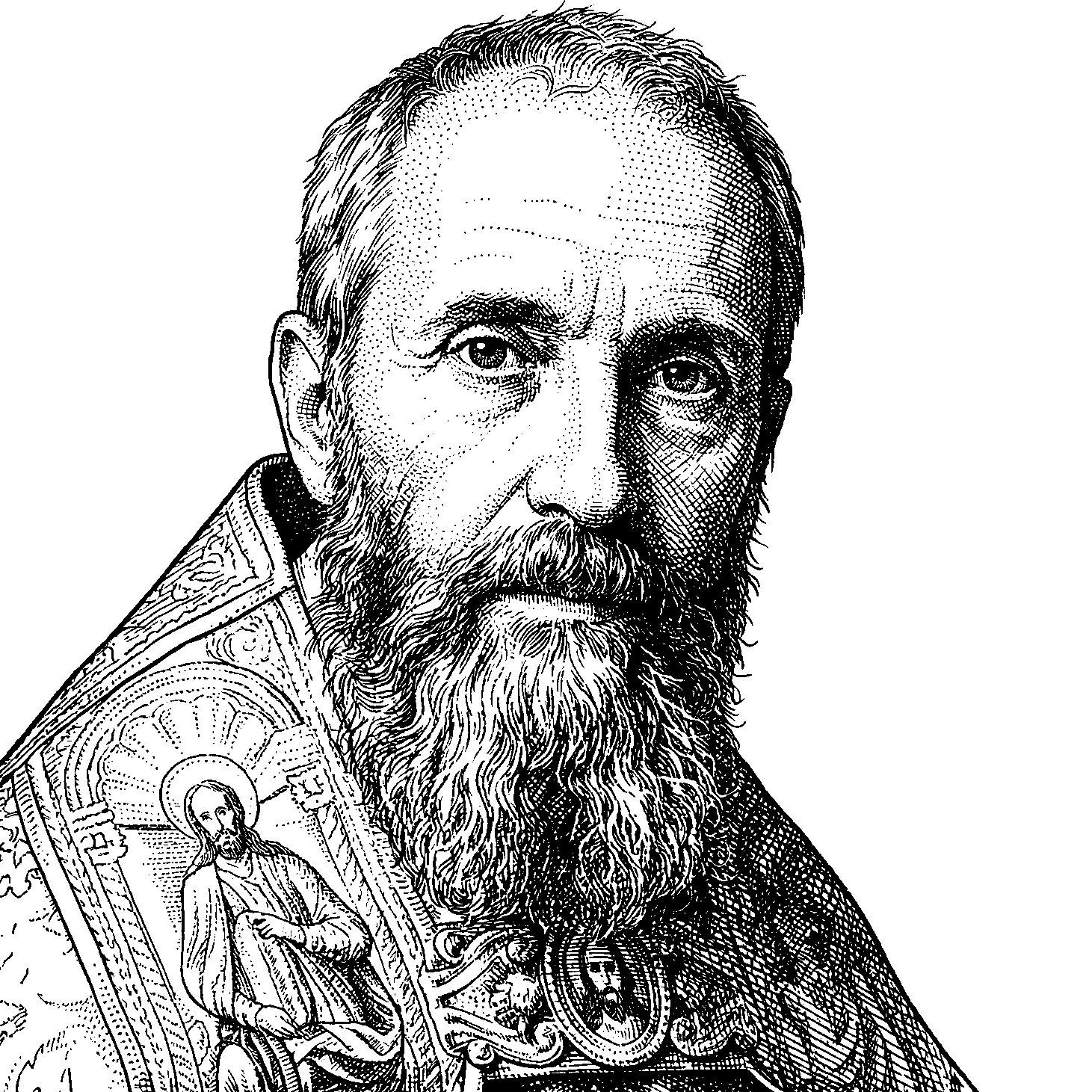
John Taylor on Eternal Progression

John Taylor
Godliness cannot be conferred but must be acquired, a fact of which the religious world seems strangely and lamentably unconscious.

John Taylor
Godliness cannot be conferred but must be acquired, a fact of which the religious world seems strangely and lamentably unconscious.
Gordon B. HinckleyFew American theologies are more complex than that of the Church of Jesus Christ of Latter-day Saints, but its flagship Brigham Young University teaches off-the-shelf, industry-standard evolution. That has been the case since 1931, when the church officially said: “Leave biology, archaeology, and anthropology, no one of which has to do with the salvation of the souls of mankind, to scientific research.” . . . What the church requires is only belief “that Adam was the first man of what we would call the human race,” says Gordon Hinckley, the church’s living prophet. Scientists can speculate on the rest, he says, recalling his own study of anthropology and geology: “Studied all about it. Didn’t worry me then. Doesn’t worry me now.”
Brigham YoungMany have tried to penetrate to the First Cause of all things; but it would be as easy for an ant to number the grains of sand on the earth. It is not for man, with his limited intelligence, to grasp eternity in his comprehension. There is an eternity of life, from which we were composed by the wisdom and skill of superior Beings.
Augustine of HippoBut he himself that justifies also deifies, for by justifying he makes sons of God. “For he has given them power to become the sons of God.” If then we have been made sons of God, we have also been made gods.
. . . The world have no idea of God, and they do not acknowledge him. He may develop, through one person, the principle of electricity, but the world will say it is some wise man that did it. He may, through another, develop the power of steam, but they say, Some wise man did it.
Science reveals the beauty and harmony of the world material; it unveils to us ten thousand mysteries in the kingdom of nature, and shows that all forms of life through fire and analogous decay are returned again to its bosom. It unfolds to us the mysteries of cloud and rains, dew and frost, growth and decay, and reveals the operation of those silent irresistible forces which give vitality to the world.