David O. McKay on Harmonization
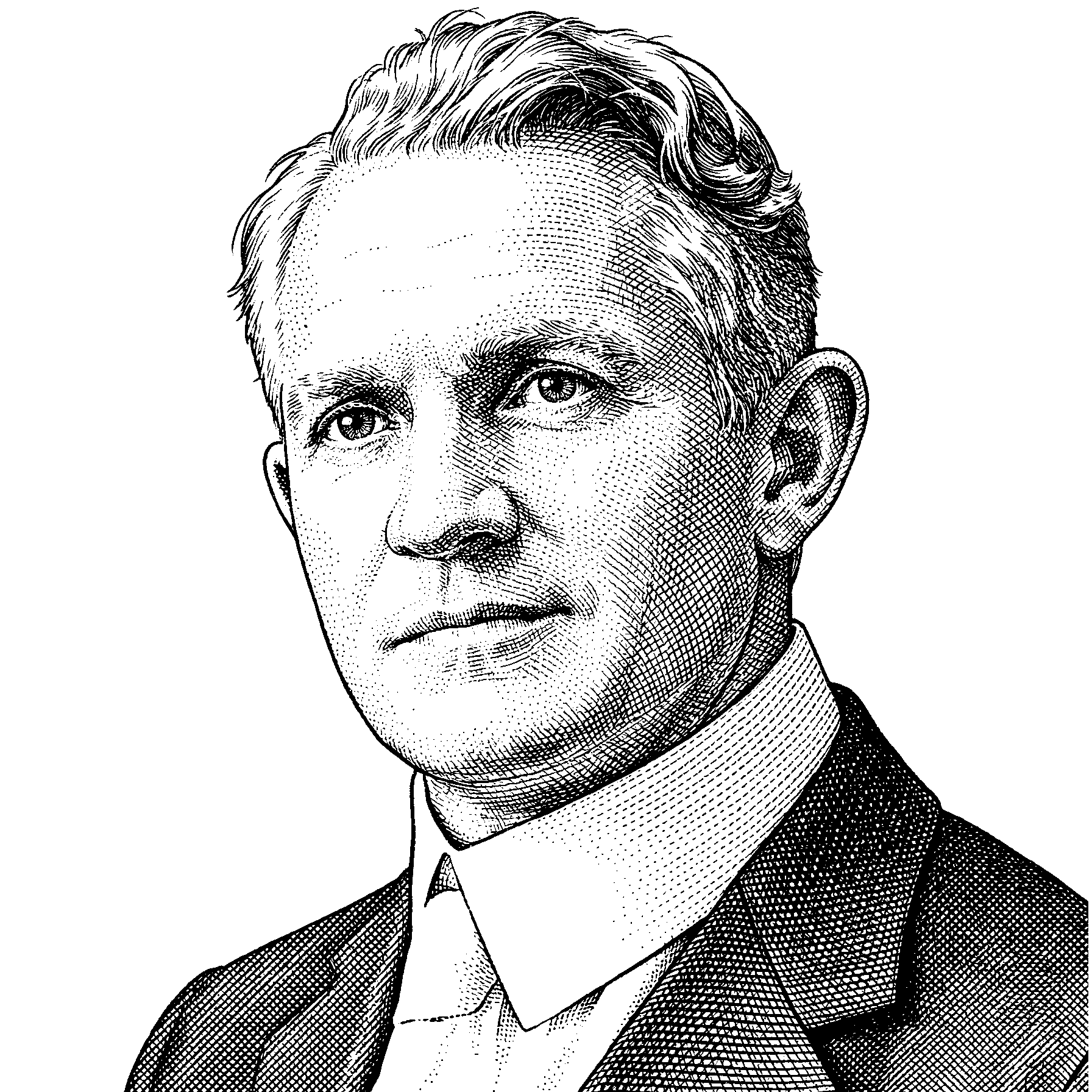
David O. McKay

David O. McKay

Whatever the subject may be, the principles of the gospel of Jesus Christ may be elaborated upon without fear of anyone’s objecting, and the teacher can be free to express his honest conviction regarding it, whether that subject be in geology, the history of the world, the millions of years that it took to prepare the physical world, whether it be in engineering, literature, art⁠—any principles of the gospel may be briefly or extensively touched upon for the anchoring of the student who is seeking to know the truth.

“Gospel Ideals—Life’s Surest Anchor,” BYU Speeches, 1956.10.30
Related Quotes

Orson PrattOrson Pratt

The Gods who dwell in heaven . . . were once in a fallen state . . . they were exalted also, from fallen men to celestial Gods.

Steven DickSteven Dick

[Future religious thinkers] must be open to radically new conceptions of God, not necessarily the God of the ancients, nor the God of human imagination, but a God grounded in cosmic evolution, the biological universe, and the three principles: Why would a Messiah only come to us? Humans are likely not the center of anything. Nor the ultimate creation of God (likely not the head of the class when it comes to brainpower and intelligence) . . . A major effect of the concept of a natural God is that it has the capacity to reconcile science and religion. For those with a vested interest in the supernatural God of most standard religions, this may be too great a sacrifice for reconciliation. But consider the benefits. A natural God is an intelligence in and of the world, a God amenable to scientific methods, or at least approachable by them. A supernatural God incorporates a concept all scientists reject in connection with their science. For some, this may be precisely the point: that God cannot be, and should not be, approachable by science. But for Einstein and many other scientists (perhaps expressed in a different way for the latter) “the cosmic religious feeling is the strongest and noblest motive for scientific research.”

Boyd K. PackerBoyd K. Packer

When the servants of the Lord determine to do as He commands, we move ahead. As we proceed, we are joined at the crossroads by those who have been prepared to help us. They come with skills and abilities precisely suited to our needs.

More from David O. McKay

I would like to know just what it is that a man must be required to believe to be a member of this Church. Or, what it is that he is not permitted to believe, and remain a member of this Church. I would like to know just what that is. Is it evolution? I hope not, because I believe in evolution.

I appreciate and realize the accomplishments, to a certain degree, of this wonderful atomic age in which we are living. Scientific discoveries of today stagger the imagination. Nearly every day we read of almost unbelievable accomplishments. The age of the atom has only begun, and no one knows what exciting developments may yet unfold when the atomic research now in progress is completed.

On the subject of organic evolution the Church has officially taken no position.

Dear Brother: … The Church has issued no official statement on the subject of the theory of evolution. Neither “Man, His Origin and Destiny” by Elder Joseph Fielding Smith, nor “Mormon Doctrine” by Elder Bruce R. McConkie, is an official publication of the Church.

But science, dominated by the spirit of religion is the key to progress and the hope of the future. For example, evolution’s beautiful theory of the creation of the world offers many perplexing problems to the inquiring mind. Inevitably, a teacher who denies divine agency in creation, who insists there is no intelligent purpose in it, will infest the student with the thought that all may be chance.