Videos

Showing 61–70 of 276
Astrobotany
19:33

Matthew Lehmitz

Astrobotany

Matthew Lehmitz presents his astrobotany research using Tillandsia ionantha , an air plant that requires no soil or root system, making it ideal for space cultivation. His CubeSat project aims to keep these plants alive in orbit for up to a year under artificial gravity simulating lunar or Martian conditions—all without human intervention. Beyond proof of concept, these plants offer practical benefits: oxygen production, psychological comfort through greenery, biomass for soil building, and food for insects in future closed ecosystems. The discussion extends to seeding other worlds with microorganisms, exploring how biological systems could begin transforming Martian soil chemistry and producing capturable gases long before technological terraforming becomes feasible.

You only live twice
13:52

Alexei Turchin

You only live twice

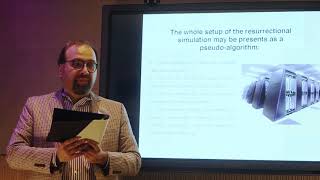
Alexei Turchin presents a framework for technological resurrection through computer simulation of the past. Drawing on the ideas of Russian cosmist Nikolai Fedorov, Turchin argues that death can be understood as loss of information—specifically the connectome of the human brain—and resurrection as the reconstruction of that information. He proposes that a future superintelligent AI could run a detailed simulation of all human history, using DNA samples, written records, archaeological data, and memories to recreate every person who ever lived. The simulated individuals would then be transferred to a personalized afterlife matching their expectations. Turchin addresses ethical concerns including unnecessary suffering and consent, while suggesting that benevolent AIs would far outnumber malevolent ones across the universe.

Welcome presentation
11:40

Chris Bradford

Welcome presentation

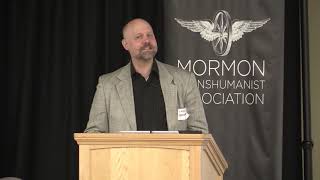
Chris Bradford delivers the opening address for the 2019 MTA conference, reflecting on the theme “Redeeming Our Dead.” Drawing from his background in genealogy, he explores multiple dimensions of redemption—the Apostle Paul’s teaching of dying to sin and rising to new life, Heber C. Kimball’s vision of daily death and resurrection through sleep, and Joseph Smith’s grand vision of welding together all dispensations. Bradford provocatively compares history to blockchain technology: genetically and culturally, we carry information forward in ways inextricable from where we stand, yet redemption suggests we can somehow modify the blockchain of the past. He concludes that redeeming our dead selves, ancestors, and communities is humanity’s only hope for building a divine future.