William James on Faith

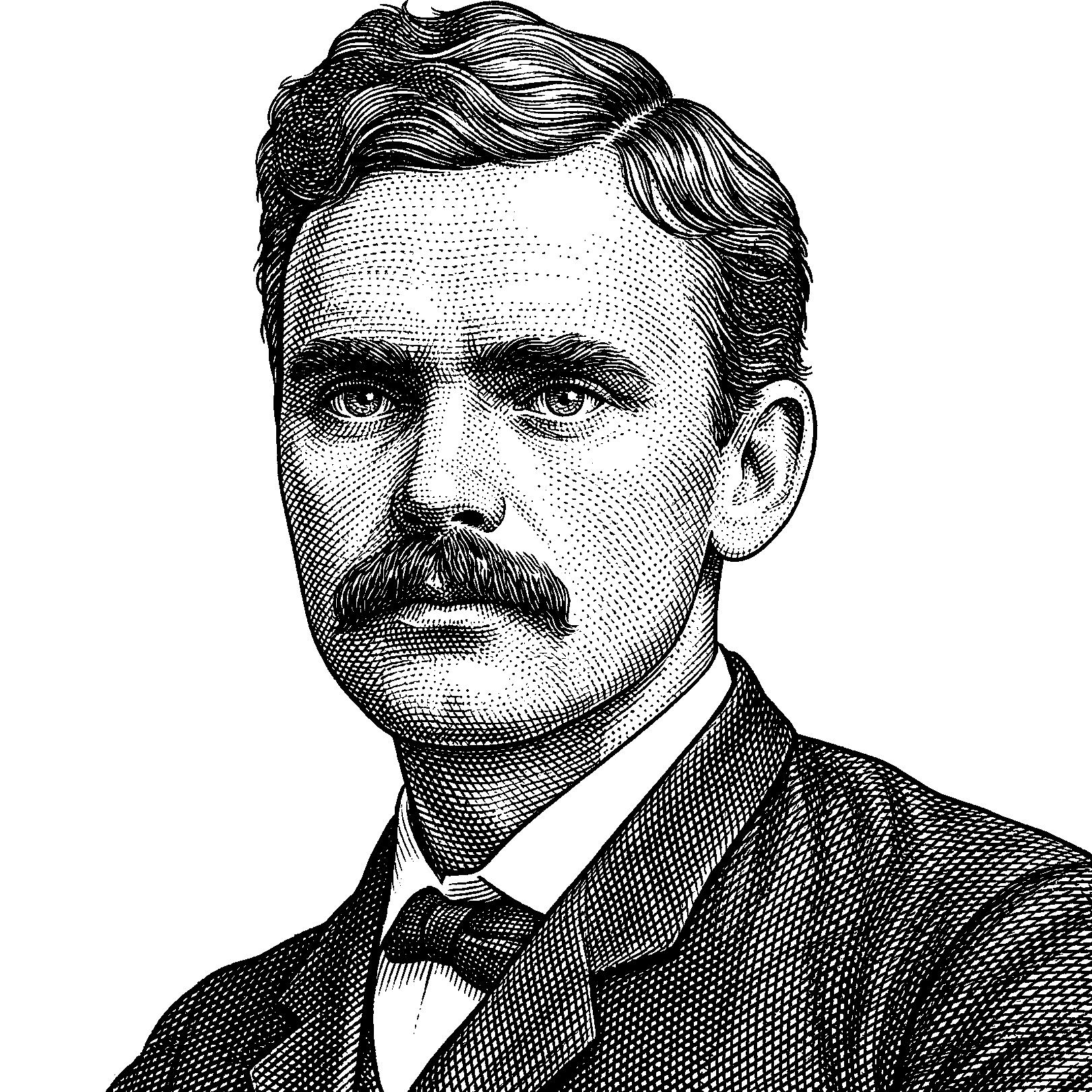
William James

William James

Suppose that the world’s author put the case to you before creation, saying: “I am going to make a world not certain to be saved, a world the perfection of which shall be conditional merely, the condition being that each several agent does its own ‘level best.’ I offer you the chance of taking part in such a world. Its safety, you see, is unwarranted. It is a real adventure, with real danger, yet it may win through. It is a social scheme of co-operative work genuinely to be done. Will you join the procession? Will you trust yourself and trust the other agents enough to face the risk?”

Pragmatism: A New Name for Some Old Ways of Thinking, New York: Longmans, Green, and Co., 1907

Related Quotes

Brigham YoungBrigham Young

You may go to some people here, and ask what ails them, and they answer, “I don’t know, but we feel a dreadful distress in the stomach and in the back; we feel all out of order, and we wish you to lay hands upon us.” “Have you used any remedies?” “No. We wish the Elders to lay hands upon us, and we have faith that we shall be healed.” That is very inconsistent according to my faith. If we are sick, and ask the Lord to heal us, and to do all for us that is necessary to be done, according to my understanding of the Gospel of salvation, I might as well ask the Lord to cause my wheat and corn to grow, without my plowing the ground and casting in the seed. It appears consistent to me to apply every remedy that comes within the range of my knowledge, and to ask my Father in heaven, in the name of Jesus Christ, to sanctify that application to the healing of my body.

B. H. RobertsB. H. Roberts

Mental Laziness is the vice of men, especially with reference to divine things. Men seem to think that because inspiration and revelation are factors in connection with the things of God, therefore the pain and stress of mental effort are not required; that by some means these elements act somewhat as Elijah’s ravens and feed us without effort on our part.

Maximus the ConfessorMaximus the Confessor

God the Son of the Father became son of man and man Himself for this reason, to make men gods and sons of God.

More from William James

The capacity of the strenuous mood lies so deep down among our natural human possibilities that even if there were no metaphysical or traditional grounds for believing in a God, men would postulate one simply as a pretext for living hard, and getting out of the game of existence its keenest possibilities of zest. Our attitude towards concrete evils is entirely different in a world where we believe there are none but finite demanders, from what it is in one where we joyously face tragedy for an infinite demanders’ sake. Every sort of energy and endurance, of courage and capacity for handling life’s evils, is set free in those who have religious faith. For this reason the strenuous type of character will on the battle-field of human history always outwear the easy-going type, and religion will drive irreligion to the wall.