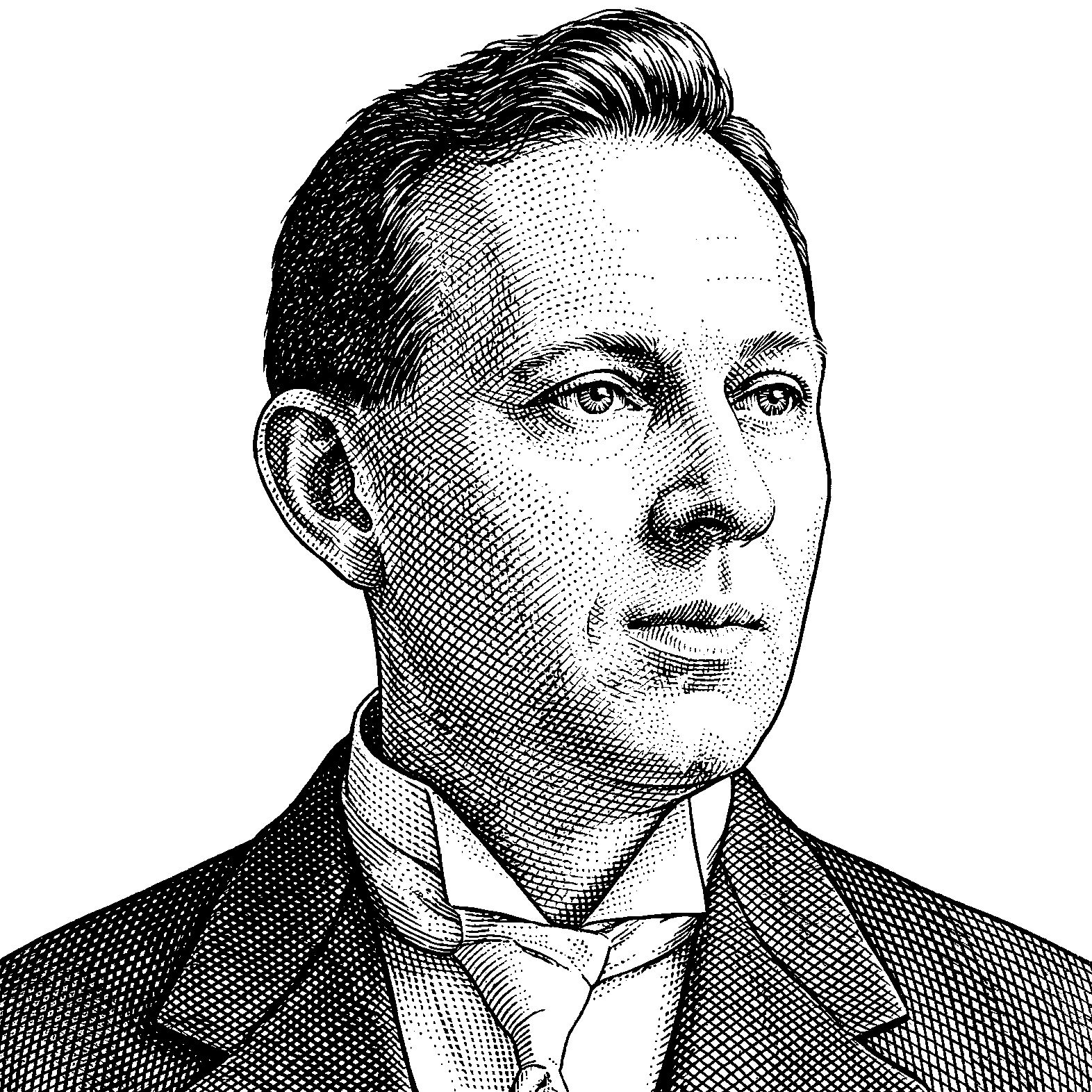
Joseph Smith on Resurrection
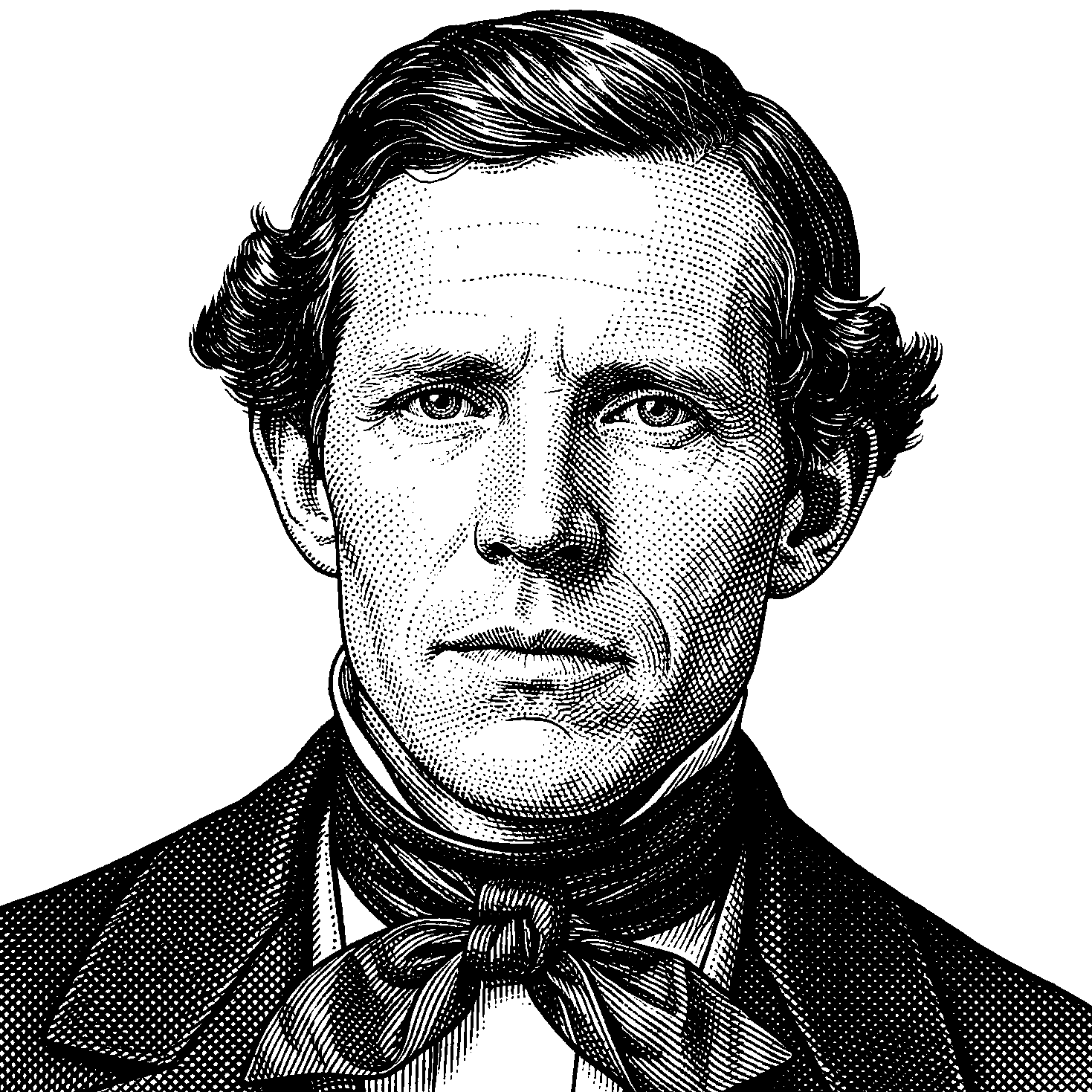
Joseph Smith

Joseph Smith

If tomorrow I shall be called to lie in yonder tomb, in the morning of the resurrection let me strike hands with my father, and cry, “My father,” and he will say, “My son, my son,” as soon as the rock rends and before we come out of our graves. And may we contemplate these thing so? Yes, if we learn how to live and how to die. When we lie down we contemplate how we may rise in the morning; and it is pleasing for friends to lie down together, locked in the arms of love, to sleep and wake in each other’s embrace and renew their conversation . . . More painful to me are the thoughts of annihilation than death. If I have no expectation of seeing my father, mother, brothers, sisters and friends again, my heart would burst in a moment, and I should go down to my grave. The expectation of seeing my friends in the morning of the resurrection cheers my soul and makes me bear up against the evils of life. It is like their taking a long journey, and on their return we meet them with increased joy.

Teachings of the Prophet Joseph Smith, pages 295-296, Joseph Fielding Smith, comp., Salt Lake City: Deseret Book, 1976

Related Quotes

Nikolay FyodorovNikolay Fyodorov

There is only one doctrine which demands not separation but reunification, which sets no artificial aims but one common task for all—the doctrine of kinship… Only this doctrine can provide a solution to the problem of the individual and the masses. Union does not absorb but exalts each individual, while the differences between individuals strengthen unity, which consists in (1) the realization by every person that he is a son, grandson, great-grandson or descendant, that is, a son of all the deceased fathers and not a vagrant in the crowd, devoid of kith and kin ; and (2) the recognition by each and everyone, together and not in disunity as in a mob, of one’s duty to the deceased fathers . . .

Howard W. HunterHoward W. Hunter

There is a separation of the spirit and the body at the time of death. The resurrection will again unite the spirit with the body, and the body becomes a spiritual body, one of flesh and bones but quickened by the spirit instead of blood. Thus, our bodies after the resurrection, quickened by the spirit, shall become immortal and never die.

Joseph Fielding SmithJoseph Fielding Smith

In the resurrection from the dead, the bodies which were laid down natural bodies shall come forth spiritual bodies. That is to say, in mortality the life of the body is in the blood, but the body when raised to immortality shall be quickened by the spirit and not the blood. Hence, it becomes spiritual, but it will be composed of flesh and bones, just as the body of Jesus was, who is the prototype.

More from Joseph Smith

Now the doctrine of translation is a power which belongs to this Priesthood. There are many things which belong to the powers of the Priesthood and the keys thereof, that have been kept hid from before the foundation of the world; they are hid from the wise and prudent to be revealed in the last times.

The first principles of man are self-existent with God. God himself, finding he was in the midst of spirits and glory, because he was more intelligent, saw proper to institute laws whereby the rest could have a privilege to advance like himself. The relationship we have with God places us in a situation to advance in knowledge.

A person filled with the love of God is not content with blessing their family alone, but ranges through the whole world, anxious to bless the whole human race.

Happiness is the object and design of our existence; and will be the end thereof, if we pursue the path that leads to it; and this path is virtue, uprightness, faithfulness, holiness, and keeping all the commandments of God. But we cannot keep all the commandments without first knowing them, and we cannot expect to know all, or more than we now know unless we comply with or keep those we have already received.

Here, then, is eternal life—to know the only wise and true God; and you have got to learn how to be Gods yourselves, and to be kings and priests to God, the same as all Gods have done before you, namely, by going from one small degree to another, and from a small capacity to a great one; from grace to grace, from exaltation to exaltation, until you attain to the resurrection of the dead, and are able to dwell in everlasting burnings, and to si…