Basil the Great on Theosis
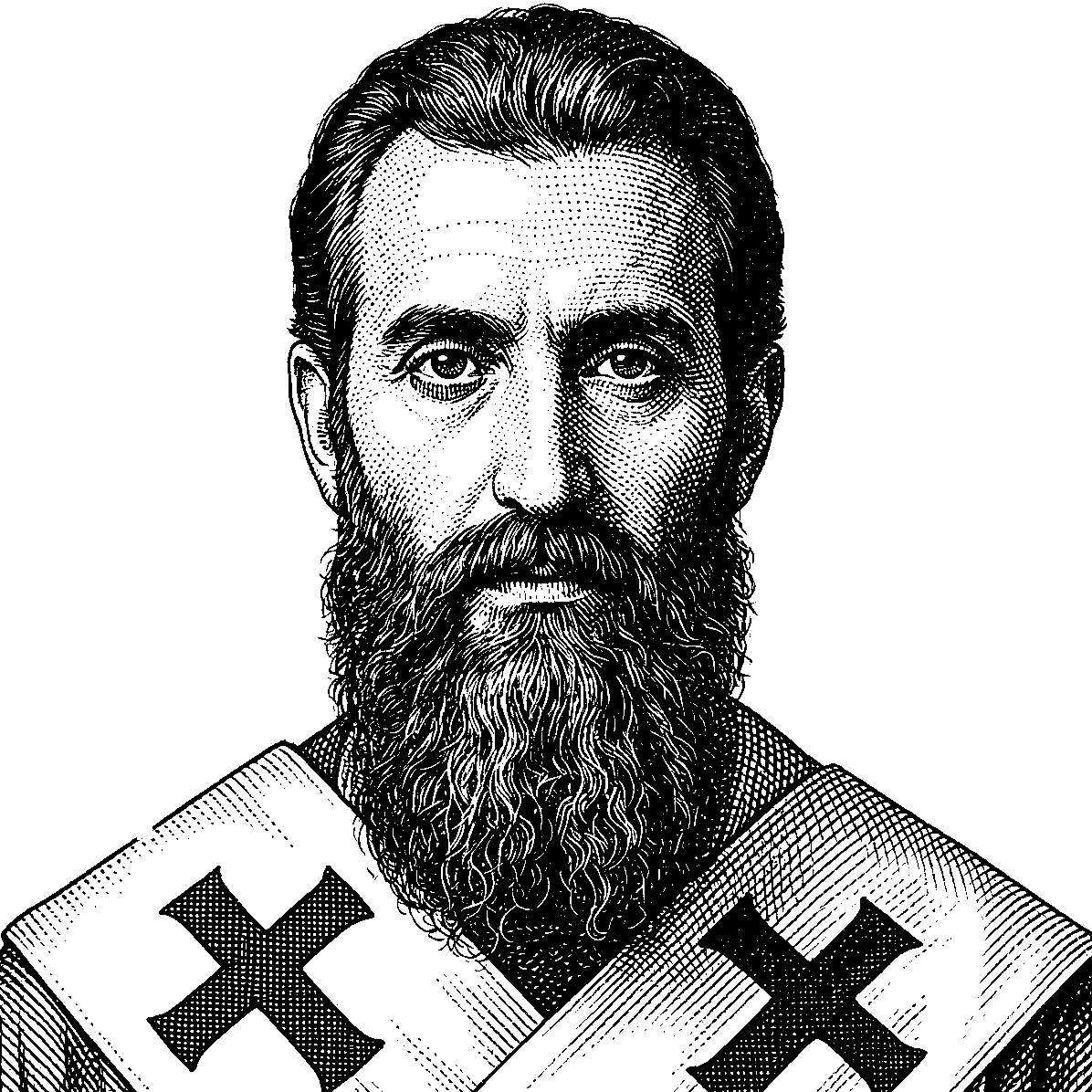
Basil the Great

Basil the Great

Just as when a sunbeam falls on bright and transparent bodies, they themselves become brilliant too, and shed forth a fresh brightness from themselves, so souls wherein the Spirit dwells, illuminated by the Spirit, themselves become spiritual, and send forth their grace to others. Hence comes foreknowledge of the future, understanding of mysteries, apprehension of what is hidden, distribution of good gifts, the heavenly citizenship, a place in the chorus of angels, joy without end, abiding in God, the being made like to God, and, highest of all, the being made God.

On the Holy Spirit, Nicene and Post-Nicene Fathers, Second Series, Philip Schaff and Henry Wace, eds., Peabody, MA: Hendrickson Publishers, 1994
Related Quotes

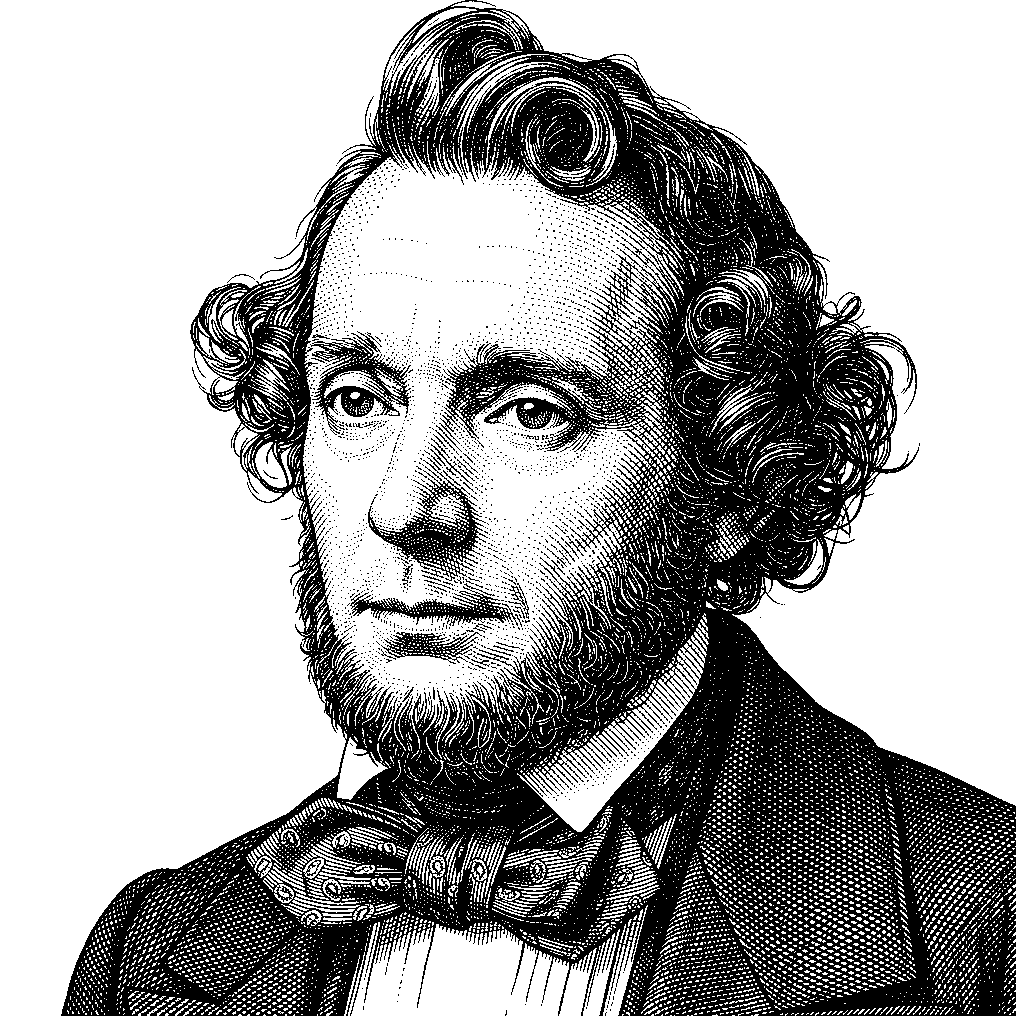
Lorenzo SnowLorenzo Snow

We should strive earnestly to establish the principles of heaven within us, rather than trouble ourselves in fostering anxieties like the foolish people of the Tower of Babel, to reach its location before we are properly and lawfully prepared to become its inhabitants. Its advantages and blessings, in a measure, can be obtained in this probationary state by learning to live in conformity with its laws and the practice of its principles. To do this, there must be a feeling and determination to do God’s will.

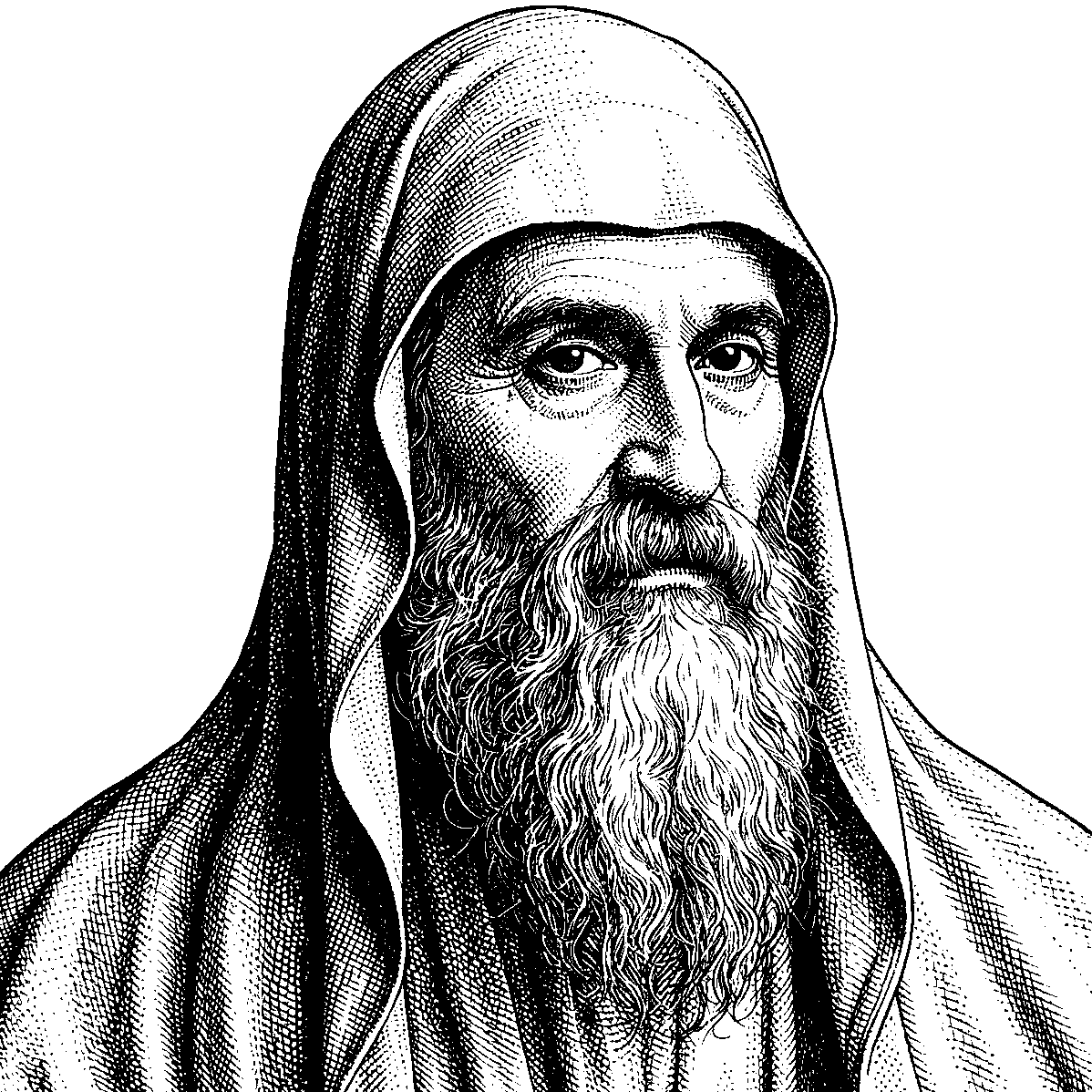
OrigenOrigen

Thou shalt resemble Him . . . having made thee even God to his glory.

Nikolay FyodorovNikolay Fyodorov

There is only one doctrine which demands not separation but reunification, which sets no artificial aims but one common task for all—the doctrine of kinship… Only this doctrine can provide a solution to the problem of the individual and the masses. Union does not absorb but exalts each individual, while the differences between individuals strengthen unity, which consists in (1) the realization by every person that he is a son, grandson, great-grandson or descendant, that is, a son of all the deceased fathers and not a vagrant in the crowd, devoid of kith and kin ; and (2) the recognition by each and everyone, together and not in disunity as in a mob, of one’s duty to the deceased fathers . . .