Authors

Peter Wicks is an atheist transhumanist who presented a critique of religious transhumanism at the MTAConf 2013. He holds a PhD in Mathematics from Cambridge, England, earned in 1991. Since receiving his doctorate, Wicks has worked primarily at the European Commission. His responsibilities there have encompassed a range of policy areas, from environmental policy to research on industrial accidents. In 2011, he took unpaid leave from the Commission to explore alternative career opportunities. In recent years, Wicks has developed a strong interest in the philosophical implications of emerging technologies. He broadly supports the goals of the transhumanist movement. Although raised as an Anglican Christian, he now identifies as an atheist.
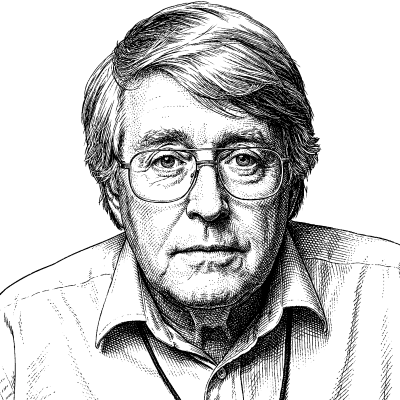
Roger Dennis Hansen is a professional water resources engineer, historian, and a contemplative figure within the Mormon Transhumanist movement. With a career spanning several decades in hydraulic engineering and international development, Hansen has carved out a unique niche by bridging the technical rigors of environmental science with the expansive cosmological visions of Latter-day Saint theology. Born and raised in the American West, Hansen’s early life was informed by the cultural and physical landscapes of the Mormon corridor. He pursued a rigorous academic path, earning a Bachelor of Science and a Master of Science in Civil and Environmental Engineering from Utah State University, followed by a PhD from the University of Colorado. Professionally, he distinguished himself through his work with the United States Bureau of Reclamation and various international water management projects in the Middle East and Africa, focusing on the sustainable use of the earth’s most vital resource. Beyond his engineering achievements, Hansen is a dedicated historian and author. His research often centers on the intersection of nineteenth-century Mormonism and the development of the American West. He has authored several works, including The Mormon New World Order, which examines the radical social and theological structures envisioned by early Church leaders. Hansen views these historical efforts not as relics of the past, but as a trajectory toward a future defined by communal progression and technological stewardship. In his 2014 presentation at the Mormon Transhumanist Association Conference, titled “What If Joseph Smith Jr. Had Lived Longer?”, Hansen explored the counterfactual history of a long-lived Joseph Smith. He posited that the Prophet’s trajectory was leaning toward an increasingly sophisticated, high-bandwidth “Pure Language” and a radical restructuring of society. Hansen suggested that Smith’s vision of a “global brain” or a unified human consciousness—achieved through spiritual and intellectual refinement—parallels modern transhumanist aspirations for enhanced communication and collective intelligence. Hansen’s work is characterized by the belief that science and religion are complementary tools for understanding the cosmos. He maintains that the Mormon tradition, with its emphasis on the eternal nature of matter and the potential for human deification, provides an ideal framework for embracing transhumanist goals.

Rachael Givens Johnson is a historian and assistant professor of Interdisciplinary Humanities at Brigham Young University. Her work explores the intersections of embodiment, religious materialism, and transatlantic cultural history. Having earned her Ph.D. in history from the University of Virginia, her scholarship primarily examines peninsular and viceregal Spain during the early modern period, shedding light on the evolving relationship between the physical human body and the sacred. At the core of Dr. Johnson’s academic pursuits is a fascination with how historical, sensory, and theological shifts impact human experience. She is currently developing a monograph that tracks the changing models of the human sensorium during the Spanish Enlightenment. This research investigates how altered perceptions of sensory experience influenced devotional practices—including the use of physical and mental imagery, religious processions, and sensory technologies—ultimately reshaping notions of subjectivity and intersubjectivity. Furthermore, her scholarly projects extend to late-nineteenth-century transatlantic discourse regarding the deliberate construction of a “modern religion” and the multivalent understandings of “materialism.” Her academic writings have been featured in prominent journals, reflecting her deep engagement with historical theology. In Eighteenth-Century Studies (2024), she explored reformed social imaginaries of charity, while her 2023 work in the Bulletin for Spanish and Portuguese Historical Studies analyzed shifting conceptions of the sacred and the profane in the Spanish Atlantic. Dr. Johnson’s earlier publications also tackle intriguing intersections of gender and theology, notably her 2015 piece on Mary Wollstonecraft and the “sexless soul” in Religion in the Age of Enlightenment . Dr. Johnson core beliefs resonate with themes highly relevant to the Mormon Transhumanist Association, particularly the theological implications of embodiment and technological progress. At MTAConf 2024, she delivered a presentation titled Incarnation: Some Theological-Historical Notes, bringing historical and theological depth to contemporary discussions of physical existence, human potential, and divine nature. Her continued engagement with the philosophical challenges of modern technology is evident in her 2025 presentation, “Retrieving the Humanities in the Age of LLMs,” co-presented at Organized Intelligence in Salt Lake City. Additionally, she has contributed to discourse on Mormonism’s unique physical theology, presenting on Latter-day Saint material metaphysics at UC Berkeley in 2024. Through her teaching—which spans Latin American Humanities, Baroque and Enlightened Catholicism, and the specific study of embodiment and emotion—Dr. Johnson continues to foster a rigorous dialogue on how humanity’s physical, spiritual, and intellectual pursuits intertwine across centuries.

Rachel Stone is a civic technologist and data strategist who has been instrumental in modernizing governmental institutions through human-centered design and data-sharing initiatives. She earned her degree in Political Science with a minor in Computer Science from Brigham Young University, driven by a deep interest in the intersection of technology, government, and human progress. During her undergraduate studies, she gained early hands-on experience helping her local city council improve IT and e-service delivery. Stone’s work is heavily influenced by a passion for e-governance, crowdsourcing, and direct democracy. Drawing inspiration from democracy activists like Pia Mancini and technologists like Beth Novick, she has consistently advocated for a top-down redesign of governmental processes to better meet the demands of the twenty-first century. In 2018, Stone was selected as a Product Fellow for Coding it Forward, a prestigious civic tech program, where she was placed at the U.S. Department of State. There, she collaborated on interdisciplinary teams to redesign web platforms and build impact maps—an experience that cemented her belief in the necessity of bringing dedicated product managers, designers, and user experience researchers into public service. Her technical acumen and proactive initiative soon brought her to the State of Utah’s Governor’s Office of Management and Budget. Tasked with launching a massive data-sharing project, Stone recognized a critical gap in state leadership and successfully advocated to become Utah’s first Chief Data Officer. In this role, she championed the state’s Social Service Blueprint Solution, a pioneering effort that broke down institutional silos to improve the effectiveness of key social service programs. Later, Stone transitioned to a role as a Product Manager for Utah’s Department of Government Operations Division of Technology Services, where she continued to spearhead user research and optimize digital service delivery. Within the transhumanist and techno-progressive communities, Stone is recognized for her forward-looking approach to civic architecture. At the MTAConf 2015, she presented Ask Siri: A Glimpse of Tomorrow’s Technological Government . In her presentation, Stone articulated a bold vision for integrating technological advancement into traditional governmental institutions, emphasizing transparency, e-participation, and the unique potential of technology to elevate the human condition through intelligent, responsive governance.
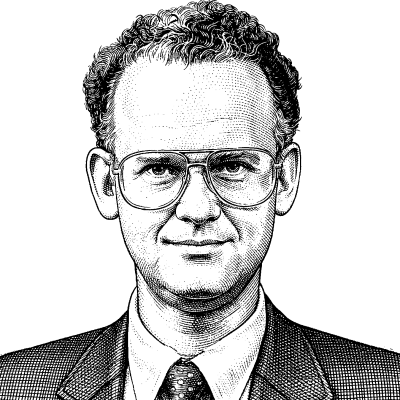
Ralph Merkle is a prominent figure in the field of nanotechnology, particularly known for his work on molecular nanotechnology and its potential applications in medicine and manufacturing. His research focuses on the development of molecular robotics and nanomedicine, envisioning a future where nanotechnology can significantly extend human health and lifespan. Merkle has a keen interest in the intersection of science, technology, and transhumanist ideals, evident in his willingness to discuss topics such as radical life extension and the potential for human advancement beyond current limitations. His engagement with the Mormon Transhumanist Association suggests an interest in exploring the spiritual and philosophical implications of advanced technologies, particularly in the context of concepts like exaltation and the potential for human beings to evolve. Merkle’s presentation at the MTAConf 2015 highlighted exponential trends in manufacturing, precision, and cost reduction, specifically referencing advances in 3D printing and its potential to revolutionize production processes. He draws parallels between the rise of 3D printing and the computer revolution, envisioning a future where customized manufacturing becomes increasingly accessible. He has deep technical knowledge with subjects such as extrusion, and printhead mechanics.
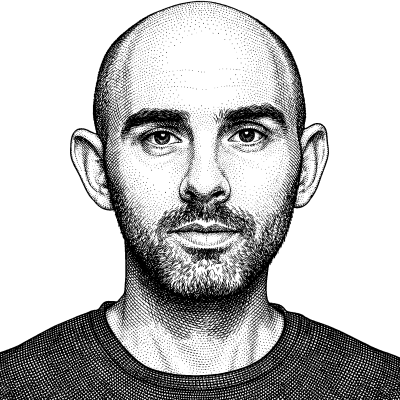
Ralph Spencer Steenblik is an emerging voice in the field of architecture, exploring innovative intersections of technology, urbanism, and sustainability. As a graduate student at the Southern California Institute of Architecture (SCI-Arc), his academic focus centers on neuromorphic architecture and compact urbanism—areas that reflect a deep interest in the future of human habitats. Steenblik’s work demonstrates a commitment to moving beyond traditional paradigms of urban development. He advocates for an “ecosystem mentality” that emphasizes the transformation of waste products into resources, promoting true sustainability. His research draws inspiration from decentralized organizational models like swarm theory, suggesting a vision of urban spaces as interconnected, self-organizing systems. His presentation at the Transhumanism and Spirituality 2010 conference explored transhumanism as not just a merging of humans and machines but as a “superorganism” of the human family. This perspective suggests a belief that collective action and a unified approach can unlock new potentials for societal progress.

Ramez Naam
Ramez Naam (born 1973) is an Egyptian-American computer scientist, futurist, and author whose work explores the potential and perils of human enhancement technologies. A former Microsoft executive who helped develop Internet Explorer and Outlook, Naam has become one of the most prominent voices in discussions about the future of humanity’s relationship with technology. His writing spans both nonfiction analysis and science fiction that imagines the social implications of emerging technologies. Born in Cairo, Egypt, Naam immigrated to the United States as a child and later earned degrees in computer science from the University of Illinois. At Microsoft, he spent over thirteen years leading teams that developed widely-used software products. He holds nearly twenty patents related to search, information retrieval, and machine learning. This technical background informs his analysis of how technology might transform human capabilities. Naam ’ s nonfiction book More Than Human: Embracing the Promise of Biological Enhancement (2005) surveys the landscape of human enhancement technologies, from genetic engineering to neural interfaces. He argues that such technologies, properly governed, could dramatically improve human wellbeing and capabilities. The book addresses common objections to enhancement while advocating for thoughtful development of these powerful tools. His Nexus trilogy of science fiction novels— Nexus (2012), Crux (2013), and Apex (2015)—imagines a near future where a nanotechnology drug allows direct brain-to-brain communication. The series explores how such technology might transform human relationships, politics, and consciousness itself. The trilogy won the Prometheus Award for libertarian science fiction and has been praised for its realistic portrayal of both the promise and dangers of neurotechnology. Naam’s work embodies core transhumanist themes: the potential for technology to expand human capabilities, the importance of wise governance of powerful technologies, and optimism about humanity’s future. More recently, he has focused on climate and energy issues, arguing that technological innovation is essential to addressing environmental challenges. His vision integrates technological optimism with attention to the social and ethical dimensions of human enhancement.
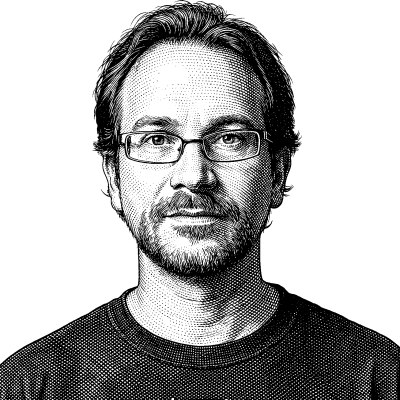
Randal A. Koene , Ph.D., is a Dutch neuroscientist, neuroengineer, and a foundational figure in the field of whole brain emulation. He is the co-founder of Carboncopies.org, a non-profit organization dedicated to the outreach and roadmapping of Substrate-Independent Minds (SIM). His work is centered on the scientific and technological challenges of mind uploading—the hypothetical process of transferring a human mind from its biological substrate to a digital or synthetic one. Born with an early passion for science fiction and space exploration, Koene was deeply influenced at age thirteen by Arthur C. Clarke’s The City and the Stars , which depicted a future where human minds were preserved and re-embodied by a central computer. This early exposure catalyzed a lifelong pursuit to overcome biological limitations through technology. He earned his M.Sc. in Electrical Engineering with a specialization in Information Theory from the Delft University of Technology, where he focused on extracting rule sets from neural networks. He subsequently completed a Ph.D. in Computational Neuroscience at McGill University, researching the functional requirements for modeling context-dependent memory. In 2007, he was a key member of the Oxford working group that convened to create the first formal roadmap toward whole brain emulation. His research focuses on “system identification”—the process of mapping and emulating the specific neuronal circuitry and activity of an individual brain to create high-resolution, patient-specific neuroprostheses. Beyond his technical contributions, Koene is a prominent voice in the transhumanist movement, frequently speaking on the ethics and philosophy of digital immortality. He posits that for humanity to remain adaptable and thrive in the face of future existential risks, we must develop the ability to function on a variety of hardware platforms. Through his development of NETMORPH —a computational framework for simulating the morphological development of neuronal circuitry—and his leadership at Carboncopies, Koene continues to advocate for a future where the essence of human identity is no longer tethered to a fragile biological vessel, but can be preserved and enhanced through rigorous scientific advancement.
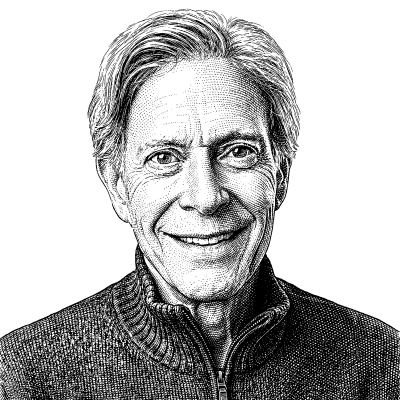
Randall Paul is a theorist deeply engaged with questions of value alignment, particularly within the context of Mormon cosmology and transhumanist thought. His work explores the nature of intelligence, divine purpose, and eternal sociality, drawing on Latter-day Saint theology while also critically examining its relationship with traditional Christian influences. Paul’s perspective is rooted in the belief that intelligences have always existed as individual, self-aware entities with infinite memories and a capacity for dynamic social interaction. Paul challenges conventional interpretations of the glory of God, positing that it lies not merely in intelligence itself, but in the capacity of intelligences to freely love and interact with one another. He suggests that our current mortal existence is an experiment designed to improve our ability to trust and love, preparing us for a more harmonious eternal life. He frames the Mormon Transhumanist Association (MTA) as a microcosm of this process, a space for superhuman entities—or gods—to learn how to better interact and foster mutual love. In his explorations, Paul questions the uncritical embrace of transhumanist ideals of longevity and enhanced capacities, arguing that the fundamental challenge lies in navigating the complexities of freedom and mutual influence within eternal societies. He emphasizes the importance of freely given and received love as the most valuable—and most scarce—resource in the cosmos, suggesting that intelligences exist in societies to expand the possibilities for these experiences. His aim is to provoke reflection on the deeper purposes of existence and the nature of divine love in a transhuman future.
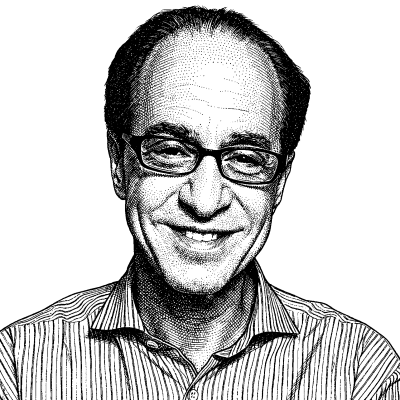
Ray Kurzweil
Raymond Kurzweil , born February 12, 1948, in Queens, New York, is an American inventor, futurist, and author who has been described as “the restless genius” by The Wall Street Journal. He graduated from MIT in 1970 with degrees in computer science and literature. Kurzweil is the principal inventor of numerous groundbreaking technologies, including the first CCD flatbed scanner, omnifont optical character recognition, the first printtospeech reading machine for the blind, the first texttospeech synthesizer, and commercially marketed largevocabulary speech recognition software. He has received the National Medal of Technology, was inducted into the National Inventors Hall of Fame, and holds 21 honorary doctorates. Kurzweil is best known for his writings on the technological singularity—the predicted moment when artificial intelligence will surpass human intelligence, leading to unprecedented transformation. His influential book The Singularity Is Near (2005) articulates his vision of humanity’s merger with technology, predicting this transformation will occur around 2045. Currently serving as a Principal Researcher and AI Visionary at Google, Kurzweil continues to shape our understanding of exponential technological change and its implications for human potential, making his work foundational to transhumanist philosophy.