Authors
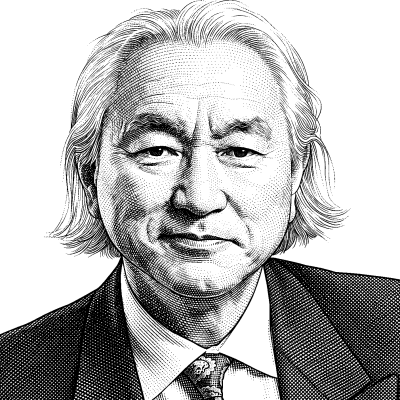
Michio Kaku
Michio Kaku (born 1947) is an American theoretical physicist, futurist, and one of the most prominent science communicators of the contemporary era. A co-founder of string field theory, Kaku has spent his career exploring the fundamental nature of the universe while simultaneously making advanced physics accessible to millions through bestselling books, television programs, and public lectures. Born in San Jose, California, to Japanese-American parents, Kaku demonstrated exceptional scientific aptitude from a young age, reportedly building a particle accelerator in his garage as a teenager. He earned his Ph.D. from the University of California, Berkeley, and has held a long-standing professorship at the City College of New York. His academic work centers on string theory and its quest for a unified “Theory of Everything”—a single framework that would reconcile all fundamental forces of nature. Beyond the academy, Kaku has authored numerous popular science books, including Hyperspace , The Future of the Mind , Physics of the Impossible , and The Future of Humanity , which explore topics ranging from higher dimensions to the long-term trajectory of human civilization. Kaku’s futurism resonates strongly with several themes central to Mormon Transhumanism. He has articulated a vision of humanity’s future in which civilizations advance through progressively higher types on the Kardashev scale, eventually harnessing the energy of entire galaxies and potentially mastering the fabric of spacetime itself. His discussions of mind uploading, life extension, terraforming, and the colonization of space align with the transhumanist conviction that scientific knowledge and technological power can serve as means to realize extraordinary human potential. His concept of a “Type III” or even higher civilization—beings with godlike power over nature—echoes, in secular terms, the Mormon Transhumanist affirmation that humanity is invited to become compassionate creators. Where Kaku’s vision diverges from Mormon Transhumanism is primarily in its philosophical framing rather than its trajectory. Kaku generally approaches these questions from a naturalistic perspective, expressing admiration for Einstein’s impersonal “God of Spinoza”—a sense of cosmic order and harmony—rather than affirming a personal, relational God or the reality of divine grace working through human progress. Mormon Transhumanism would locate humanity’s extraordinary technological and creative future within a framework of covenant, prophetic authority, and trust in Christ, seeing these advances not merely as emergent properties of intelligence but as ordained means toward theosis. Nonetheless, Kaku’s expansive optimism about human potential and his insistence that the laws of physics permit civilizations of astonishing scope and power make his work a compelling conversation partner for anyone exploring the intersection of science, human destiny, and the divine.

Mike Perry
R. Michael Perry , PhD (1947–2026), was a computer scientist, author, and prominent figure in the cryonics and transhumanist movements. For nearly four decades, he served as Care Services Manager at the Alcor Life Extension Foundation in Scottsdale, Arizona, where he oversaw the stabilization and long-term maintenance of cryopreserved patients. On April 15, 2026, Dr. Perry was involved in a fatal motor vehicle accident as a pedestrian. True to his lifelong convictions, Alcor’s DART team immediately took him into care, and he received an excellent cryopreservation. He is now an Alcor patient, continuing his commitment to technological resurrection in the facility he served for so long. Beyond his technical role at Alcor, Perry was a prolific writer and philosopher. He is the author of Forever for All: Moral Philosophy, Cryonics, and the Scientific Prospects for Immortality (2000), a comprehensive work that argues for the ethical necessity and scientific feasibility of achieving physical immortality. His philosophical outlook, which he described as “Christian Atheist Universal Immortalism,” sought to bridge the gap between religious aspirations for an afterlife and the technological means to achieve it. He posited that a future superintelligence could utilize advanced simulations and information-recovery techniques to resurrect everyone who has ever lived, a concept rooted in the traditions of Russian Cosmism. Perry’s influence extended deeply into the organizational leadership of the transhumanist community. He was a cofounder and president of the Society for Universal Immortalism and an ordained minister for the Society for Venturism, where he performed ceremonies reflecting a commitment to the scientific conquest of death. Through his long-running column “For the Record” in Cryonics magazine, he became the primary historian of the cryonics movement, meticulously documenting its early failures and successes so that the lessons of the past could inform the technology of the future. Dr. Perry was a dedicated advocate for the “techno-psycho-cyber-heaven”—a future state dominated by benevolence and universal life extension. Gentle, soft-spoken, and principled, he was an anchor in the cryonics community for decades. He came in early, stayed late, and often remained at the facility for days at a time to ensure Alcor’s patients were always properly cared for. The cryonics movement owes him a debt of gratitude that cannot be overstated. Now, after watching over Alcor’s patients for nearly forty years, it is their turn to watch over him as he rests in cryopreservation, awaiting the future he worked so tirelessly to help create. His life’s work remains a testament to the belief that death is a problem to be solved through the rigorous application of science, mathematics, and a hopeful, rational philosophy.
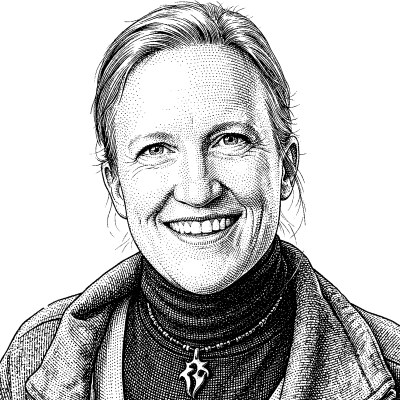
Nancy Fulda is an American computer scientist, researcher, and award-winning science fiction author who specializes in artificial intelligence and natural language processing. She holds both Bachelor’s and Master’s degrees from Brigham Young University. Her technical career began at the German Aerospace Center (DLR), where she worked on autonomous robotic systems. She later pursued doctoral research at the University of Utah, focusing on the cognitive aspects of human-machine interaction and the ethical implications of emerging technologies. As a writer, Fulda has gained significant acclaim for her ability to make complex technical concepts relatable. Her fiction, including the Hugo and Nebula Award-nominated short story “Movement,” has been published in prominent magazines such as Asimov’s Science Fiction and Analog . Her literary work often explores the intersection of neurodiversity, machine intelligence, and the future of human consciousness, positioning her as an important link between rigorous engineering and speculative humanism. Fulda is the founder of AnthroCloud, a venture aimed at developing intelligent systems that prioritize human agency. She has consistently advocated for a balanced understanding of machine learning, serving in various data science roles where she critiques both the utopian hype and dystopian alarmism surrounding AI. Her work emphasizes that while AI can analyze vast amounts of data, it remains a tool that requires human moral oversight and creative direction. At the 2024 Mormon Transhumanist Association Conference, Fulda delivered the keynote address titled “Fact, Fiction, and Fantasy: Demystifying AI Hype in the Information Age.” She urged the audience to look beyond the “magic” of Large Language Models and understand their mechanical realities. Fulda argues that true progress lies in using technology to enhance, rather than replace, the human soul. Today, she continues to influence the field by advocating for a future where digital advancement and spiritual purpose coexist.

Natasha Vita-More is a distinguished designer and theorist recognized for her pioneering work in transhumanism. She currently serves as a professor at the University of Advancing Technology and holds the position of Chairman of Humanity Plus. Furthermore, she is a fellow of the Institute for Ethics and Emerging Technologies, solidifying her standing as a key figure in the field. Vita-More’s academic pursuits culminated in a doctorate from the Planetary Collegium, University of Plymouth, where her research centered on human enhancement and radical life extension. She is the designer and author of the influential ‘Platform Diverse Body Substrate Autonomous Person.’ Her contributions extend to published works, most notably as co-editor of The Transhumanist Reader: Classical and Contemporary Essays on the Science, Technology, and Philosophy of the Human Future (2013). A driving force in the transhumanist movement, Vita-More authored the Transhuman Manifesto in 1983 and subsequently founded Transhumanist Arts and Culture in 1993. She has also held leadership positions, including chair of the Vital Progress Summit 2004, which fostered crucial dialogue on human enhancement, and president of the Extropy Institute from 2002 to 2006. Her work has been showcased at prestigious venues, including the National Center for Contemporary Arts and the Telluride Film Festival. While primarily involved in the secular transhumanist movement, Vita-More brings her considerable expertise to events like the Mormon Transhumanist Association conference, reflecting the broader relevance of her insights regarding the future of humanity and the ethical considerations surrounding technological advancements.
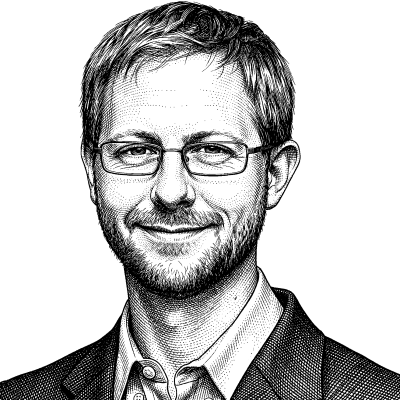
Nathaniel Givens is a multifaceted individual—a writer, entrepreneur, and tech worker with a diverse academic background. He holds degrees in mathematics from the University of Richmond, systems engineering from the University of Virginia, and economics from the University of Michigan. Givens’s work explores the intersection of technology, faith, and society, particularly within the Mormon Transhumanist Association (MTA) context. Givens is an active blogger, operating “Difficult Run,” which focuses on politics, policy, and philosophy, and “The Loose Canon,” dedicated to science fiction. He also contributes to various publications, including Times and Seasons , First Things , Real Clear Religion , Meridian , and Utah Politico Hub , sharing his insights on a range of topics. His talks at the MTA conference explore themes like the nature of Zion in Mormon scripture and community, which suggests an interest in how transhumanist concepts may align to theological concepts. In the tech industry, Givens demonstrated entrepreneurial skills as a co-founder of a mobile software development studio in 2011, which was successfully sold in 2015. Currently, he serves as Director of Client Solutions for a boutique software development consultancy, showcasing his expertise in software development and client relations. He resides in Williamsburg, Virginia, with his wife and two children.
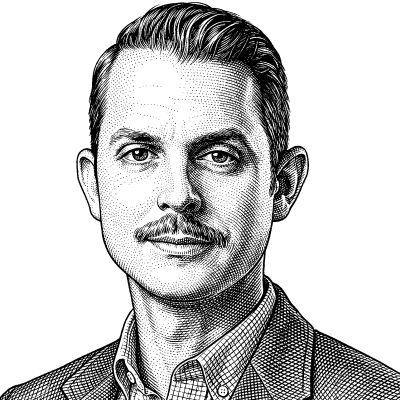
Dr. Neal Davis is a scholar and technologist whose work sits at the intersection of high-performance computing, Web3 architecture, and the philosophy of science. Originally trained in nuclear and chemical engineering, Davis transitioned into scientific computing, eventually earning his PhD from the University of Illinois at Urbana-Champaign. His early career in the physical sciences provided a rigorous foundation for his later focus on the evolution of complexity and the interplay between technology and social trust. As a dedicated educator, Davis has spent over a decade training engineers and scientists to enhance their research through computational literacy. At the University of Illinois, he has led courses in software development, computational mechanics, and research methodology. His pedagogical expertise extends to his work with The Carpentries, where he has been instrumental in bridging the gap between traditional engineering disciplines and modern computer science. In the realm of decentralized computing, Davis has become a key figure within the Urbit ecosystem. He previously led developer experience and education at the Urbit Foundation, where he helped shape the pedagogical framework for a new, secure internet. His technical contributions are significant, including the development of the Jock language for Zorp Corp and work on the Nockchain Zero-Knowledge Virtual Machine (ZKVM), both aimed at advancing sovereign digital infrastructure. Beyond his engineering work, Davis explores the philosophical dimensions of technology through a Mormon Transhumanist lens. In his 2022 MTAConf presentation, Immunology for the Internet Age, he utilized biological metaphors to advocate for more resilient digital architectures. He continues to write on organizational behavior, engineering pedagogy, and the history of the internet at his Substack, Extelligencer, and the Urbit Systems Technical Journal.

Neylan McBaine is a prominent figure in Utah’s women’s advocacy scene and a connector between Mormon history and future-oriented thought. Originally from the East Coast, she graduated from Yale University and then honed her skills as a digital marketer at both large corporations like Walmart and smaller companies like Tea Collection. Additionally, she served as a brand strategist for Bonneville Communications, gaining valuable experience in shaping narratives and messaging. For over a decade, McBaine has been a vocal advocate for women in Utah. She is the founder of the Mormon Women Project, a nonprofit organization dedicated to amplifying the voices of Mormon women by sharing their stories and exploring avenues for greater inclusion within the Church of Jesus Christ of Latter-day Saints. Her commitment to this cause led her to author the book, *Women at Church*. Most recently, McBaine co-founded and serves as the CEO of Better Days 2020, a statewide Utah project commemorating the 150th anniversary of women first voting in Utah and the centennial of the Nineteenth Amendment. This role allows her to combine her marketing expertise with her passion for women’s history, particularly the significant contributions of women in the Church of Jesus Christ of Latter-day Saints to the suffrage movement. She explores the application of women’s history lessons to diverse priorities including those found within transhumanist thought. While now focusing on a broader scope encompassing all Utah women, McBaine acknowledges the importance of her Mormon heritage and its connection to her work. Her perspective bridges the past and the future, making her a unique voice in conversations about progress, faith, and the potential of women.
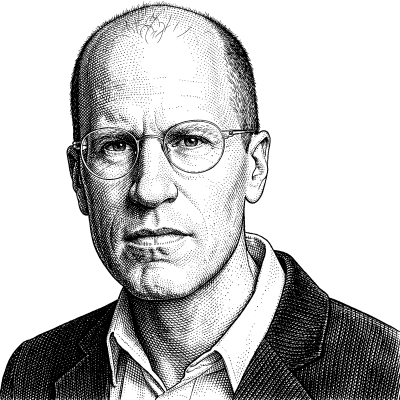
Nick Bostrom
Nick Bostrom (born 1973) is a Swedish-born philosopher known for his work on existential risk, the simulation argument, and superintelligence. He is a professor at Oxford University and director of the Future of Humanity Institute. Bostrom earned his PhD from the London School of Economics and has published influential papers on the anthropic principle, human enhancement ethics, and the future of intelligence. His book Superintelligence: Paths, Dangers, Strategies examines the potential risks and opportunities of artificial general intelligence. His simulation argument—that we might be living in a computer simulation—has generated significant philosophical discussion about the nature of reality and has been compared to religious cosmologies that see the physical world as embedded within a larger spiritual reality.
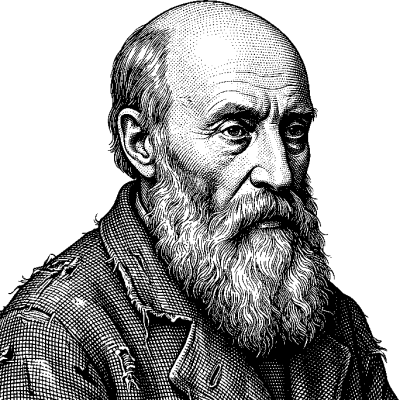
Nikolay Fyodorov
Nikolay Fyodorovich Fyodorov (9 June 1829 – 28 December 1903) was a Russian Orthodox Christian philosopher, religious thinker, and futurologist who founded the intellectual movement known as Russian cosmism—a direct precursor to modern transhumanism. Born as Nikolay Pavlovich Gagarin, the illegitimate son of Prince Pavel Ivanovich Gagarin, he studied at the Richelieu Lyceum in Odessa before serving as a teacher and later joining the Rumyantsev Museum as a librarian in 1878. Called the “Socrates of Moscow,” Fyodorov was respected and admired by Leo Tolstoy, Fyodor Dostoevsky, and Vladimir Solovyov. His major contribution to philosophy was the “Common Task”—humanity’s collective mission to regulate the forces of nature, defeat death, and resurrect ancestors through scientific means. He advocated for radical life extension, physical immortality, and the literal resurrection of the dead, insisting that knowledge without action was worthless. Fyodorov opposed intellectual property and never published during his lifetime. His selected articles were printed posthumously as Philosophy of the Common Task (also known as Philosophy of Physical Resurrection ). His ideas influenced diverse figures, from rocket pioneer Konstantin Tsiolkovsky to composer Alexander Scriabin. He died of pneumonia in 1903 in a shelter for the poor; his grave was destroyed by the Soviet government in 1930. Fyodorov’s synthesis of Orthodox Christianity with scientific ambition for immortality and resurrection makes him a foundational figure for understanding the religious dimensions of transhumanist thought.

Pace Ellsworth is a marketing consultant specializing in small businesses within the technology and finance sectors. Born in Abu Dhabi, United Arab Emirates, as the son of diplomat and linguist Matt Alan Ellsworth, he possesses a global perspective and a keen interest in the intersection of technology and culture. Ellsworth graduated from Brigham Young University with a bachelor’s degree in linguistics and minors in both Spanish and Linguistic Computing. This diverse academic background informs his approach to marketing and communication, particularly within the rapidly evolving tech landscape. He describes himself as an anarcho-transfigurist, demonstrating an interest in the radical potential of technology to reshape society and individual agency. Ellsworth’s core interests lie in classical liberalism and futurism. He emphasizes the importance of individual agency and the power to act according to one’s conscience. He champions solutions that expand freedom and progress away from limitations, especially using technological progress to connect individuals across the planet to collaborate and solve problems.